




A Complete Guide to Regular Car Fluid Checks
Key Takeaways
- Understanding the importance of regular car fluid checks for your vehicle’s health.
- Overview of the main types of car fluids and their functions, such as coolant, engine oil, transmission fluid and more.
- Tips for checking each fluid type in detail and identifying issues.
- The frequency of checks and when to seek professional help.
Owning a car brings the thrill of the open road but also the responsibility of regular maintenance. One of the most vital yet often overlooked aspects of this is checking your car fluids.
By ensuring that each fluid is at the proper level and in good condition, you’ll extend the life of your vehicle, enhance performance, and avoid costly repairs.
Thinking of buying a new car? Explore the amazing collection at Auffenberg of Carbondale.
The Importance of Regular Car Fluid Checks
Understanding the role each car fluid plays in your vehicle’s operation is crucial. These fluids are responsible for the smooth functioning, lubrication, cooling, and overall health of various components.
A deficiency or excess in any of these fluids, or their degradation over time, can lead to malfunction, decreased efficiency, and even significant damages.
Common Car Fluids and Their Functions
- Engine Oil: The lifeblood of any vehicle, engine oil lubricates the moving parts within the engine, preventing wear and tear. It also helps dissipate heat and remove contaminants. Regularly checking the oil level and its condition is vital.
- Transmission Fluid: This fluid aids in the smooth shifting of gears and cools the transmission components. Like engine oil, it also provides lubrication. Its color and level can indicate the health of the system.
- Brake Fluid: This hydraulic fluid is crucial for the braking system. It transfers the force from the brake pedal to the brake pads. If the fluid gets contaminated or is low, it can compromise your car’s braking efficiency.
- Coolant: As the name suggests, this fluid maintains the engine’s temperature, ensuring it neither overheats nor freezes. Regular checks, especially before long journeys or in extreme climates, are essential.
- Power Steering Fluid: Helping in the smooth turning of your car, this fluid ensures that the steering system functions effectively. A low level can result in noisy steering or harder wheel turns.
- Windshield Washer Fluid: Though not crucial for the vehicle’s mechanical functioning, it’s essential for the driver’s visibility. Ensuring that the reservoir is full can help you maintain clear vision, especially in muddy or rainy conditions.
Tips for Checking Car Fluids
Engine Oil
- Turn off the engine and let it cool.
- Pull out the dipstick, wipe it clean, reinsert it, and pull it out again.
- Check the oil level against the markers on the dipstick. If it’s low, add oil as necessary.
Transmission Fluid
- With the engine running and warmed up, remove the transmission dipstick.
- Observe the color of the fluid – it should be pink or red. If it’s brown or smells burnt, it might be time for a change.
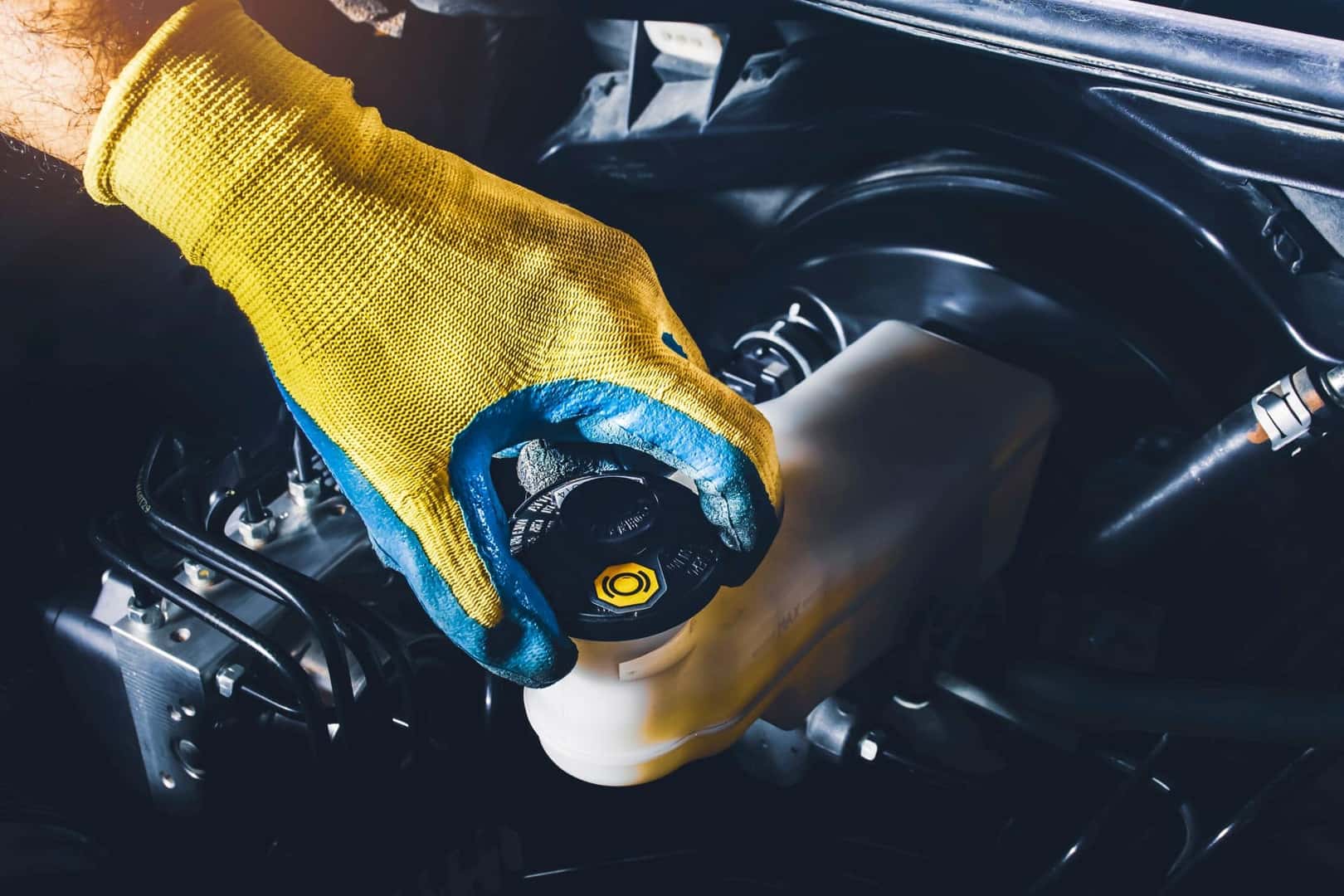
Brake Fluid
- Locate the brake fluid reservoir in the engine bay.
- Ensure the fluid is between the “min” and “max” lines. If it’s dark in color, consider a replacement.
Coolant
- Ensure the engine is cool, then open the hood.
- Locate the translucent coolant reservoir and check the level between the minimum and maximum marks.
- Close the reservoir cap tightly and monitor the level over time for any significant drops.
Power Steering Fluid
- Locate the power steering reservoir.
- Check the level and ensure it’s between the minimum and maximum markers.
Windshield Washer Fluid
- Open the washer fluid reservoir.
- If it’s low, top it up with a suitable washer fluid.
Regular monitoring and proper care can ensure that your vehicle performs at its best. If you notice any unusual changes or are unsure about any fluid’s condition, consulting with professionals is always a good idea.
Frequency of Car Fluid Checks
- Engine Oil: Most manufacturers recommend checking the engine oil every month and changing it every 3,000 to 5,000 miles. However, modern synthetic oils can sometimes extend this interval. Always refer to your vehicle’s owner’s manual.
- Transmission Fluid: Typically, you should check this fluid monthly. A full change might only be needed every 30,000 to 60,000 miles, but again, refer to your vehicle’s guidance.
- Brake Fluid: While checking monthly is good practice, brake fluid usually needs changing every 1 to 2 years.
- Coolant: Inspect the coolant level at least twice a year. A full flush and replacement are typically required every 2 to 3 years, but newer coolant types can sometimes last even longer.
- Power Steering Fluid: A monthly check is adequate. Full replacement intervals vary, but many experts suggest every 50,000 miles.
- Windshield Washer Fluid: This can be checked monthly, but depending on the season and driving conditions, you might find yourself filling it more frequently.
When to Seek Professional Help
Even with regular checks, sometimes car fluids can present issues that require an expert’s touch. Here are signs that you should consult a mechanic:
- Unusual Noises: Grinding, squealing, or whining noises might indicate fluid-related issues, especially in the engine, transmission, or power steering systems.
- Leaks: If you spot puddles or stains under your vehicle, it’s a clear sign of a fluid leak that should be addressed immediately.
- Dashboard Alerts: Modern cars are equipped with sensors that trigger dashboard warnings when fluid levels drop too low. Don’t ignore these alerts.
- Smoke: If you notice smoke from under the hood or from the exhaust, it could be due to issues related to engine oil or coolant.
Regular Maintenance
Frequently checking and replacing car fluids is more than just routine maintenance – it’s an investment in the longevity and efficiency of your vehicle.
Well-maintained cars tend to have a longer lifespan, better fuel efficiency and are less prone to major malfunctions.
Plus, regular checks can save you money in the long run by avoiding costly repairs that arise from neglect.
Conclusion
A car is more than just a mode of transportation; it’s a testament to human ingenuity and a partner in our daily lives.
To ensure this partnership is long-lasting, giving attention to seemingly minor things, like car fluid checks, is essential. After all, it’s these little details that ensure a smooth journey every single time.
Discover more automotive tips and the best car deals at Auffenberg of Carbondale. Your journey towards a better driving experience starts here!

0 comment(s) so far on A Complete Guide to Regular Car Fluid Checks