




How to Maintain Your Car’s Brakes: A Guide for Every Driver
Key Takeaways
- Importance of maintaining your car’s brakes regularly.
- These are simple steps every driver can take for brake upkeep, including replacing worn out brake pads and more.
- Recognizing warning signs of brake issues such as screeching noises.
- The benefits of timely brake maintenance for your vehicle’s lifespan and safety.
- When to consult professionals for your car’s brakes.
From the excitement of highway cruises to the comfort of everyday commutes, our cars are central to many aspects of our lives. One key component that ensures our journeys are safe is the car’s brakes.
A vehicle’s stopping power can differ between a close call and an unfortunate accident. But like every other car component, brakes need consistent maintenance to function at their best.
In this guide, we’ll take you through the essential steps of maintaining your car’s brakes and ensuring that every drive is safe. Looking for the best in-car services? Check out Auffenberg of Carbondale for premium care.
Why Brake Maintenance is Crucial
Ensuring your vehicle remains in peak performance involves various aspects, and among the most vital is brake maintenance – but why is it so crucial?
Safety First
The most obvious reason to maintain your car’s brakes is safety. Brakes in good condition allow you to stop the vehicle promptly, preventing collisions and ensuring you can handle any unforeseen road situations.
Improved Lifespan of Brakes
Regular maintenance can significantly increase the lifespan of your car’s brakes. This means fewer replacements and repairs, ultimately saving you money.
Enhanced Fuel Efficiency
Well-maintained brakes optimize fuel efficiency. If the brakes drag or not releasing correctly, it can consume more fuel.
Steps to Maintain Your Car’s Brakes
Diving into the nitty-gritty, let’s explore the practical steps to ensure your car’s brakes function flawlessly at every stop.
Regular Inspection
Make it a habit to inspect your brakes periodically. Check the brake pads for wear and tear. Ideally, brake pads should be over a quarter of an inch thick.
Listen to Your Brakes
If you hear a screeching or grinding noise when braking, it’s a sign that the pads might be worn out. Address this immediately to prevent further damage.
Replace Brake Fluid
Brake fluid plays a pivotal role in the brake system. Over time, it can absorb moisture, leading to reduced efficiency. It’s advisable to replace the fluid every two years or based on your manufacturer’s recommendation.
Keep the Brake Lines Clean
Dirt and debris can affect the brake lines, leading to reduced performance. Ensure the brake lines are clean, and check for any signs of rust or damage.
Avoid Overloading Your Vehicle
Excess weight puts more strain on your car’s brakes. Stick to the recommended weight limits of your vehicle.
Recognizing the Warning Signs
While preventive care is critical, it’s equally important to know the telltale signs of brake issues; let’s delve into how to spot potential problems before they escalate.
Brake Warning Light
Modern cars are equipped with a brake warning light on the dashboard. If this light illuminates, it’s a clear signal that something might be wrong with your car’s brakes. Don’t ignore it.
Vibration When Braking
If you feel a vibration in the brake pedal or steering wheel while braking, it might indicate warped rotors or issues with the brake pads.
Leaking Fluid
A puddle of fluid near the wheel or underneath the car might indicate a brake fluid leak. This can lead to reduced brake efficiency, making it crucial to address this immediately.
Benefits of Timely Brake Maintenance
As with many things in life, timing is everything; let’s uncover the numerous advantages of keeping up with regular brake checks and timely maintenance.
Prolonged Brake Life
Regular checks and replacements ensure that the components of your car’s brakes last longer, saving you money in the long run.
Better Performance
Maintaining your car’s brakes ensures optimal stopping power, giving you more control over the vehicle and making your drives smoother.
Peace of Mind
Knowing your car’s brakes are in top shape offers peace of mind, allowing you to enjoy your drives without the constant worry of potential brake failure.
Consulting Professionals
While DIY maintenance is feasible for basic upkeep, specific issues require a professional touch. If you’re ever in doubt about the condition of your car’s brakes or if you notice persistent problems, it’s wise to consult professionals.
They have the expertise and tools to address issues efficiently and ensure your brakes function perfectly.
Understanding Brake Components
Brakes aren’t just about the pads; there’s much more at play. Understanding the components can empower drivers to be proactive in their maintenance.
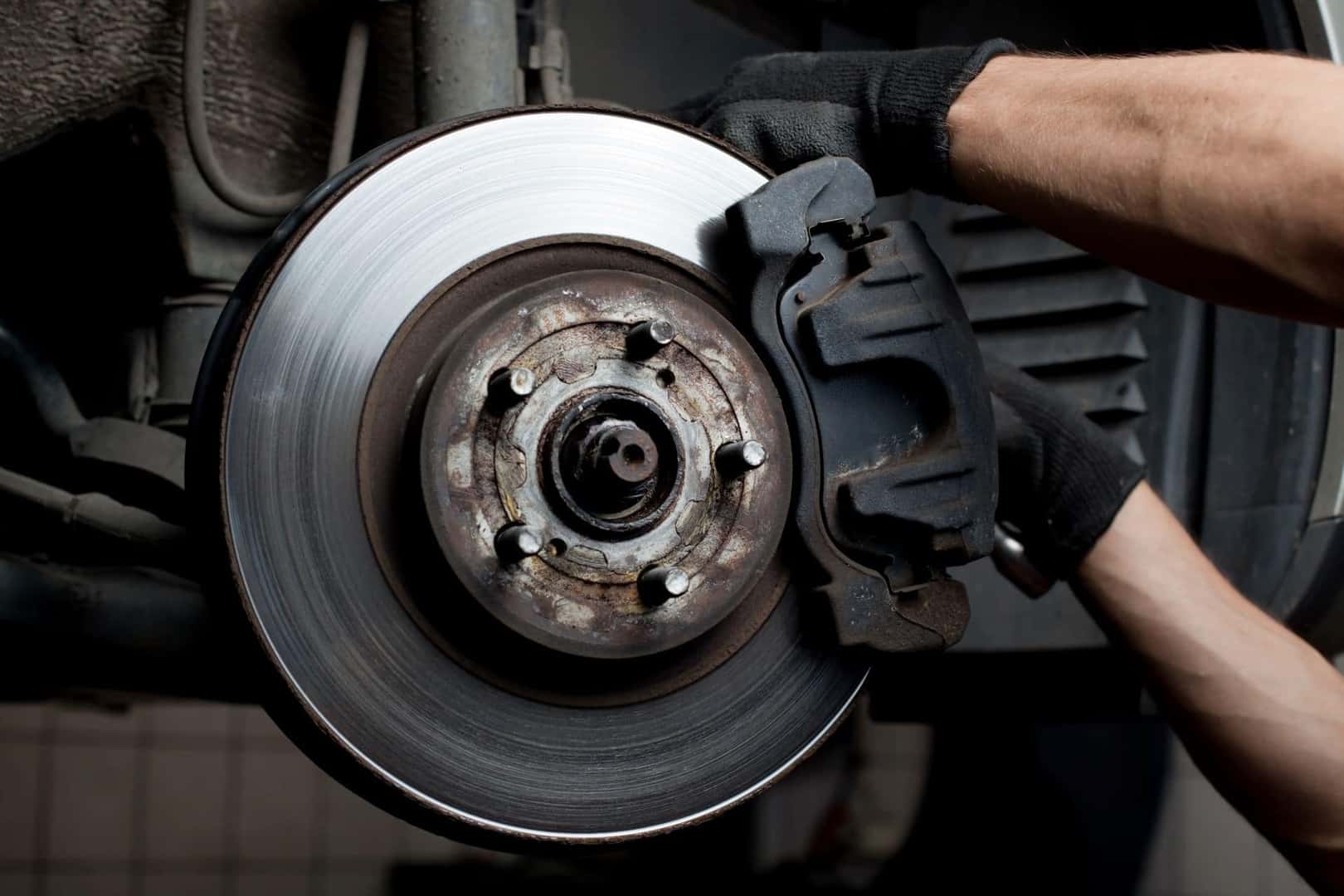
The primary components include the brake pads, which provide friction; the rotors, which the pads press against to create stopping power; calipers that house the places and give the necessary force; and the brake lines and fluid, which transfer the force from the brake pedal to the calipers.
The Role of Driving Habits
Beyond the mechanics and maintenance, did you know how you can significantly influence the longevity and efficacy of your brakes? Let’s explore this connection further.
Tailored Maintenance
How you drive significantly impacts your car’s brakes. For instance, if you frequently drive in city conditions, you’ll likely use your brakes more than someone primarily driving on highways.
Likewise, those who tend to brake suddenly will experience faster wear and tear than those who practice gradual braking. Recognizing and adjusting your driving habits can help prolong the life of your brakes and reduce maintenance costs.
Environmental Considerations
Mother Nature can be a force to reckon with, especially regarding your car’s brakes; let’s delve into the environmental factors that can impact your braking system’s health.
Protect Your Brakes from the Elements
Different environmental factors can impact the lifespan and efficiency of your car’s brakes. For instance, if you live in coastal areas, the salty air can expedite the rusting of brake components.
In contrast, those in colder regions might deal with road salt and grime affecting brake lines during winter. Regularly cleaning your car and being mindful of these factors can help prevent premature wear caused by environmental elements.
Conclusion
Maintaining your car’s brakes is not just about prolonging the life of the components but also ensuring the safety of you, your loved ones, and everyone on the road.
You can ensure smooth, safe rides every time by paying heed to the warning signs, conducting regular inspections, and consulting professionals when in doubt.
For comprehensive car care and expert consultations, visit Auffenberg of Carbondale today!

0 comment(s) so far on How to Maintain Your Car’s Brakes: A Guide for Every Driver