




The Impact of Driver Assist Technology on Road Safety
Key Takeaways
- Driver Assist Technology enhances road safety by reducing the probability of human error.
- Advanced technologies like Adaptive Cruise Control, Lane Keeping Assist, and Automatic Emergency Braking are game-changers.
- Driver Assist Technology can lead to a reduction in insurance premiums due to fewer accidents.
- While these technologies bring numerous benefits, they’re not without their drawbacks and ethical considerations.
Safety is every driver’s top priority, and thanks to Driver Assist Technology, our safety is revolutionized. In a rapidly evolving automotive landscape, driver assist technology stands at the forefront of innovation, changing the way we navigate the roads. In order to be safe, it’s important to know the features that keep your life in safe hands.
This article delves into the impact of these technologies on road safety, the significant benefits they offer, and the challenges they present. For further queries about Driver Assist Technology, contact Auffenberg of Carbondale.
The Dawn of Driver Assist Technology
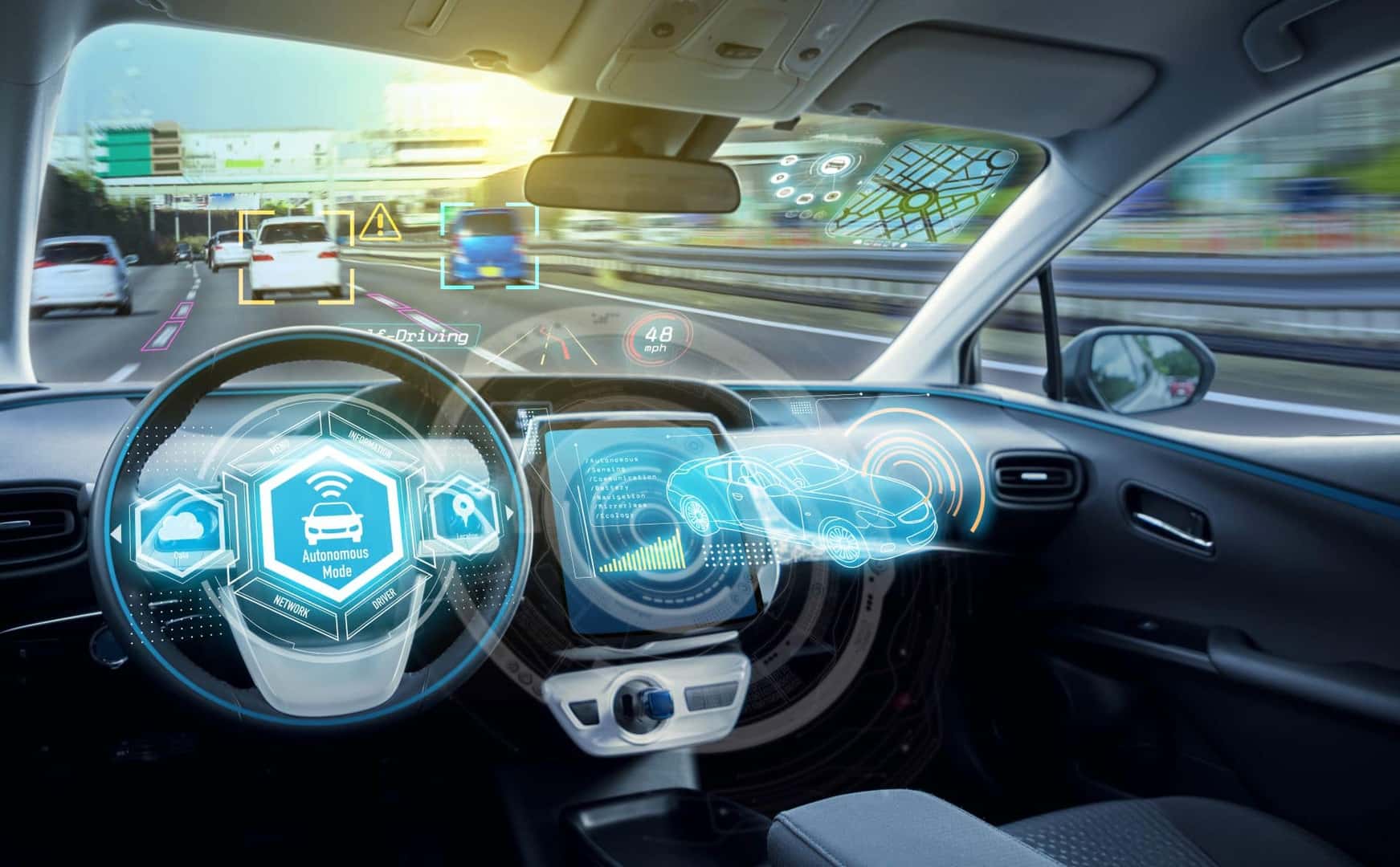
Driver Assist Technology is a broad spectrum of systems that enhance driver safety and convenience. These technologies leverage advanced sensors, cameras, and algorithms to monitor the vehicle’s surroundings, detect potential hazards, and sometimes take corrective actions to prevent accidents.
Whether it’s maintaining a safe distance from other vehicles, staying in the correct lane, or braking to avoid a sudden obstacle, these technologies aim to reduce the probability of human error, which is the leading cause of accidents.
Game-changing Technologies
Several forms of Driver Assist Technology are now commonplace in new vehicles. Adaptive Cruise Control (ACC), for example, maintains a set speed, like traditional cruise control, and adjusts the speed to keep a safe distance from the vehicle in front.
This technology is beneficial on highways, where maintaining a constant speed and safe distance is crucial.
Lane Keeping Assist (LKA) and Lane Departure Warning (LDW) systems are other significant developments. These technologies help prevent accidents caused by drifting out of the lane. They alert the driver when the vehicle begins to move out of its road and, in some cases, can even correct its path.
One of the most crucial developments is Automatic Emergency Braking (AEB). This system detects potential collisions and applies the brakes if the driver fails to respond quickly. Studies have shown that AEB can significantly reduce rear-end collisions, a common type of accidents.
Furthermore, Blind Spot Detection (BSD) uses sensors to monitor the vehicle’s blind spots and alerts the driver when another vehicle is detected. This technology helps prevent accidents during lane changes or merging by providing timely warnings and enhancing overall situational awareness.
To make parking easier, Parking Assistance Systems include features like parking sensors, rearview cameras, and automated parking assist. They assist drivers in maneuvering their vehicles into tight spaces by providing visual and audible cues, enhancing precision and reducing the risk of collisions.
For more ease, Intelligent Headlights improve visibility at night by automatically adjusting the headlight beam pattern based on oncoming traffic, surrounding lighting conditions, and the vehicle’s speed. It enhances safety for both the driver and other road users by providing optimal lighting without causing glare.
Implications for Road Safety
Driver Assist Technologies hold immense potential for improving road safety. According to a study by the Insurance Institute for Highway Safety (IIHS), vehicles equipped with forward-collision warning and AEB saw a 50% reduction in front-to-rear crash rates.
This substantial decrease demonstrates how Driver Assist Technology can save lives and reduce the economic impact of accidents.
Beyond safety, these technologies also contribute to driving comfort and convenience. By taking over some of the most monotonous and strenuous driving tasks, these systems can reduce driver fatigue, a critical factor in many accidents.
Moreover, this technology has the potential to reshape the auto insurance industry. With fewer accidents, we could see a reduction in insurance premiums, which would be a welcome change for many drivers.
Challenges and Ethical Considerations
Despite the clear benefits, introducing Driver Assist Technology also presents challenges. While these systems are designed to reduce driver workload, there is a risk that they could lead to complacency, with drivers relying too heavily on the technology and not paying sufficient attention to the road.
Moreover, these technologies pose complex ethical questions. How should an autonomous system decide between two bad outcomes when an accident is unavoidable? These are questions that society will need to grapple with as these technologies continue to evolve.
Moreover, there are privacy and data security issues to consider. These systems collect essential data, which could be misused if not properly secured.
Despite these challenges, the potential benefits of Driver Assist Technology in improving road safety are undeniable. As we continue refining and developing these systems, they will likely play an increasingly significant role in our everyday lives.
The Future of Driver Assist Technology
The capabilities of Driver Assist Technology continue to evolve at an impressive rate. While today’s systems primarily aid the driver, tomorrow’s technologies are expected to take on even more responsibilities.
Fully autonomous driving, once the stuff of science fiction, is becoming increasingly plausible.
Consider technologies like Tesla’s Autopilot or Cadillac’s Super Cruise, which already provide a taste of this future. These systems can take over many driving tasks under specific conditions.
As these systems continue to improve, we can expect to see a further reduction in accidents caused by human error. Moreover, the integration of Driver Assist Technology with other connected car technologies is set to enhance their effectiveness further.
For instance, Vehicle-to-Vehicle (V2V) and Vehicle-to-Infrastructure (V2I) communication technologies can provide driver-assist systems with more information about the vehicle’s surroundings, leading to more accurate and timely interventions.
Conclusion
In conclusion, Driver Assist Technology presents a significant step forward in enhancing road safety. By reducing the likelihood of human error and aiding in more comfortable driving; this technology can potentially lower the number of road accidents, thus saving lives.
However, as we embrace this technology, we must also consider the challenges and ethical considerations they pose. The future of road safety will depend on how well we can balance these considerations with the benefits these technologies offer.
If you want to explore vehicles equipped with the latest Driver Assist Technology, consider Auffenberg of Carbondale. We offer a variety of cars with advanced features designed to make your driving safer and more comfortable. Experience the future of driving today at Auffenberg of Carbondale.

0 comment(s) so far on The Impact of Driver Assist Technology on Road Safety