




Understanding the Different Types of Car Engines: A Comprehensive Guide
Key Takeaways
- Basic understanding of the primary types of car engines.
- How each engine type functions and its unique advantages, pertaining to fuel efficiency, eco-friendly options and emissions they produce.
- A glimpse into the world of hybrid and electric car engines.
- The difference of engine types in fuel efficiency and performance and finding out which engine fits your needs and driving style.
Automobiles have come a long way since their inception. A car is more than just a means of transport; it’s an experience, a journey.
The vehicle’s beating heart is at the core of this journey: the car engine. Grasping the difference between car engines can be daunting, but we’re here to steer you in the right direction.
Planning on buying a new car from a dealership? Visit Auffenberg of Carbondale and make an informed decision based on your engine preference.
Types of Car Engines
From the roar of a sports car to the whisper of an electric sedan, the heart of every vehicle lies in its engine, but did you know there are several distinct types? Dive in as we rev up an exploration of the various car engines that power our journeys.
Internal Combustion Engines (ICE)
- Inline Engines: Also known as straight engines, these are the most common type of engines. The cylinders are aligned in a straight line.
- V-Type Engines: Cylinders are arranged in a V shape in these engines. They’re known for their powerful performance and are usually found in luxury cars and sports vehicles.
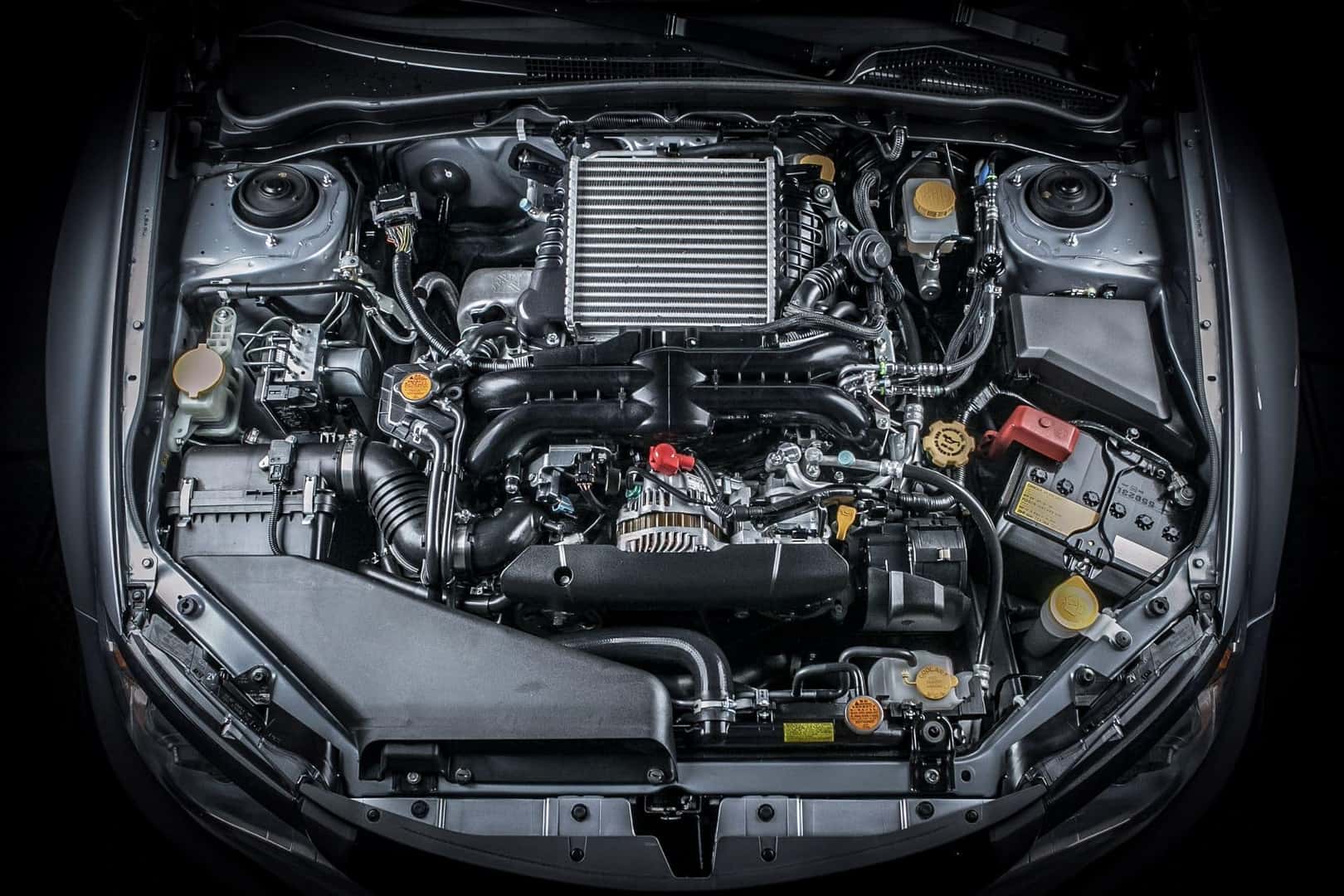
- Flat Engines: Also known as boxer or horizontally opposed engines, cylinders are arranged flat on both sides. This design offers a lower centre of gravity, aiding in vehicle stability.
- Rotary Engines: Also known as Wankel engines, these feature a rotor instead of pistons. They’re more compact but can be less fuel-efficient.
Electric Engines
With the rise of eco-friendly vehicles, electric engines are increasingly becoming popular. These engines run on electricity stored in batteries. They’re quiet, efficient, and produce zero emissions.
It functions based on the principles of electromagnetism, where electrical energy is converted into mechanical energy to propel the vehicle. Inside the motor, electrical current flows through wire windings, generating a magnetic field.
This interacts with permanent magnets, causing the rotor (the rotating part of the motor) to turn. This rotational motion is then transmitted to the wheels, propelling the car forward.
Electric motors offer high efficiency and immediate torque, providing swift acceleration from a standstill. They have fewer moving parts compared to internal combustion engines, resulting in lower maintenance requirements.
The power for these motors comes from a high-capacity battery pack, typically composed of lithium-ion cells, which stores and supplies the electrical energy needed to drive the motor. Overall, electric car engines represent a clean and efficient alternative to traditional combustion engines, contributing to a more sustainable future for transportation.
Hybrid Engines
As the name suggests, these engines combine the elements of ICE and electric engines. The ICE runs on gasoline and uses a four-stroke cycle to convert chemical energy into mechanical energy.
An electric motor, powered by a high-voltage battery pack, stores electrical energy for use. Regenerative braking converts kinetic energy back into electrical energy, which is then stored in the battery.
Meanwhile, a control system manages power flow based on factors like speed and load, enabling different modes of operation, such as electric-only, gasoline-only, and a combination of both. Start-stop systems conserve fuel by shutting off the engine when the vehicle stops, restarting seamlessly when needed.
Automatic or continuously variable transmissions distribute power to the wheels. Overall, hybrid engines optimize fuel efficiency and reduce emissions, making them an eco-conscious and cost-effective choice for sustainable transportation.
Diesel Engines
Working on the principle of compression ignition, diesel engines are more efficient than their gasoline counterparts. They’re known for their durability and high torque delivery.
Advantages of Different Engine Types
- Inline Engines: Simplicity in design, cost-effective maintenance, and reliability.
- V-Type Engines: High power output and smoother operation.
- Flat Engines: Better vehicle balance and reduced vibrations.
- Rotary Engines: Compact design and fewer moving parts.
- Electric Engines: Zero emissions, low operational costs, and silent operation.
- Hybrid Engines: Enhanced fuel efficiency and reduced greenhouse gas emissions.
- Diesel Engines: Longer lifespan, better mileage, and high torque.
Choosing the Right Engine for Your Needs
Choosing the right engine type for your vehicle often boils down to individual preferences, driving habits, and intended use.
- City Commuting: Electric or hybrid engines can be an intelligent choice for city dwellers who primarily commute short distances. They offer significant fuel savings and help reduce urban pollution.
- Highway Driving: If you frequently travel on highways, diesel engines can be your best bet due to their superior mileage and higher torque, which are especially beneficial for overtaking.
- Sporty Performance: If you’re into speed and performance, V-type and flat engines are the ones to look at. These engines are commonly found in sports cars and high-performance sedans, providing the thrilling driving experience many enthusiasts crave.
- Budget-Friendly: The inline engine is a classic choice if you’re looking for an affordable and reliable engine type. It’s widely used, easy to repair, and generally more affordable for maintenance.
The Evolution of Car Engines
Engines have evolved drastically since their inception. The quest for efficiency, power, and eco-friendliness has driven tremendous innovation in this space.
- Fuel Efficiency: With the rising fuel costs and the need for sustainable practices, modern engines are designed to extract every bit of energy possible, leading to better mileage and fewer visits to the fuel station.
- Environmental Considerations: The push towards greener technologies has paved the way for electric and hybrid engines. These engines either reduce or eliminate carbon emissions, making them the choice for an eco-friendly future.
- Technological Advancements: Integrating AI and intelligent technologies allows modern engines to adapt to driving styles, predict maintenance needs, and even communicate with other vehicles.
Conclusion
Understanding the intricate world of car engines can be a game-changer when you’re in the market for a new vehicle.
Your choice will influence your driving experience, fuel expenses, maintenance costs, and, to some extent, your vehicle’s resale value.
While technology and innovation continue to pave new paths in the automobile world, staying informed can ensure you always make the best choice for your needs.
Interested in finding the perfect car based on your engine preference? Visit Auffenberg of Carbondale, and we’ll guide you every step of the way.

0 comment(s) so far on Understanding the Different Types of Car Engines: A Comprehensive Guide