




What to Know About Hybrid Cars: Technology, Benefits, and Considerations
Key Takeaways
- Hybrid cars combine an internal combustion engine and an electric motor for improved fuel efficiency.
- Benefits include reduced emissions, increased fuel economy, and potential tax credits.
- Carefully consider initial costs, battery replacement costs, and driving needs before purchasing.
- Hybrid technology continually evolves, driving the automotive industry toward a more sustainable future.
Our choices have never been more critical, with the climate crisis becoming more severe. One area where we can make a significant difference is our vehicle selection, where hybrid cars come into the picture.
So, what are these cars, and why might you consider owning one? This comprehensive guide to hybrid cars unravels the technology behind them, their benefits, and essential considerations before making a purchase.
Let’s get you ready for a more sustainable ride! Curious about the hybrid options in our inventory? Check out Auffenberg of Carbondale’s eco-friendly lineup now!
Hybrid Cars
At the heart of a hybrid car, you’ll find two power sources – an internal combustion engine and an electric motor. This dual-power setup allows hybrid vehicles to maximize efficiency and reduce emissions.
Typically, at low speeds, the electric motor powers the car. The combustion engine takes over as speed increases or additional power is required.
In parallel hybrids, the most common type, the engine and electric motor can drive the wheels directly. In series hybrids, only the electric motor drives the wheels, with the gasoline engine serving as a generator to recharge the battery pack.
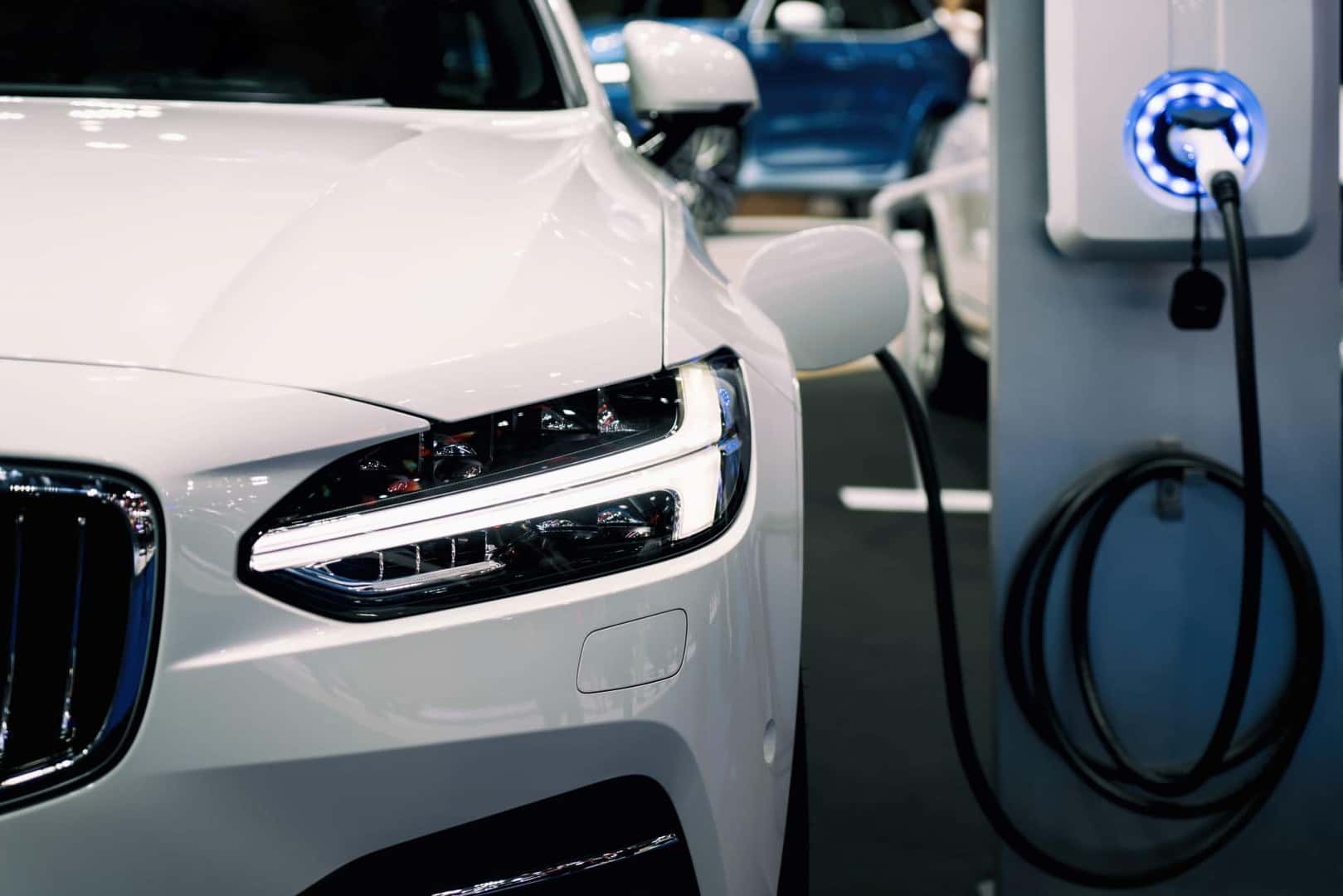
Lastly, plug-in hybrids (PHEVs) can be charged from an external power source, offering an excellent electric-only range.
Benefits of Hybrid Cars
The primary advantage of hybrid cars is their fuel efficiency. By leveraging the electric motor at lower speeds and the engine at higher speeds, hybrids optimize fuel use and get more miles per gallon. This efficiency directly translates to cost savings at the pump.
Additionally, hybrids emit fewer harmful pollutants. They often switch to electric mode during city driving, which typically involves lower speeds and frequent stops, effectively reducing emissions. Consequently, hybrid drivers may qualify for tax credits or other incentives, further sweetening the deal.
Considerations Before Buying a Hybrid
While hybrid cars have many advantages, there are also some critical considerations. First is the initial cost. Hybrids generally have a higher purchase price than conventional cars due to their complex systems and technology.
However, savings on fuel costs and potential tax incentives can help offset this premium over time.
Second, potential buyers should consider battery replacement costs. Over time, the performance of the hybrid battery decreases, which could lead to expensive replacements down the line.
However, most manufacturers, including batteries, offer lengthy warranties on their hybrid components.
Lastly, your driving habits and needs should factor into your decision. A hybrid could provide substantial fuel savings if you primarily do city driving with frequent stops and starts.
However, the benefits may be less pronounced if most of your driving is at high speeds on the highway.
Evolving Hybrid Technology
As we move further into the 21st century, the technology that powers hybrid cars continues to evolve. Automotive manufacturers worldwide invest heavily in research and development to enhance fuel efficiency, extend the electric-only range, and improve overall performance.
Furthermore, advancements are being made to make hybrid vehicles more affordable. This includes researching more cost-effective batteries and the potential for economies of scale as more manufacturers enter the hybrid market.
With more models becoming available yearly, including options in nearly every vehicle class, hybrid cars are no longer just compact sedans.
Today, you can find hybrid SUVs, trucks, and even luxury vehicles, making it easier for consumers to find a hybrid car that fits their lifestyle and needs.
The Future of Hybrid Cars
Looking ahead, hybrid cars are undoubtedly a stepping stone toward fully electric vehicles (EVs). While EVs eliminate tailpipe emissions, their higher cost and concerns about charging infrastructure have been barriers to widespread adoption.
Hybrid cars provide a middle ground, offering improved fuel efficiency and reduced emissions without requiring a significant shift in driving or refueling habits.
As technology improves and becomes more affordable, we can expect to see an increasing number of hybrid vehicles on the road. This trend will likely be further fueled by governmental policies pushing for reduced emissions and increased fuel economy.
Hybrid Cars and the Environment
Hybrid cars play a significant role in reducing our carbon footprint. Their superior fuel efficiency means less gasoline consumption and lower carbon dioxide emissions.
According to the US Department of Energy, a typical hybrid vehicle can reduce emissions by up to 25% to 35% compared to a conventional gasoline vehicle.
In addition, plug-in hybrids offer even more significant environmental benefits. When charged with electricity from renewable sources, PHEVs can operate virtually emission-free.
Plus, as our electricity grid becomes cleaner, the benefits of plug-in hybrids will continue to increase.
Ownership Experience and Maintenance
Owning a hybrid car can be a unique experience. Many hybrid owners appreciate the quiet operation when their vehicle is in electric mode, not to mention the satisfaction of minimizing their environmental impact.
As for maintenance, hybrid vehicles can require less routine service than conventional cars. Using regenerative braking reduces wear on brake pads, and the electric motor has fewer moving parts than a traditional engine, decreasing the likelihood of mechanical issues.
However, when maintenance or repairs are needed, it might be slightly more expensive due to the specialized knowledge required to service hybrid systems.
Long-term ownership also requires battery replacement, although many manufacturers provide generous battery warranties to mitigate this concern.
Conclusion
As our world grapples with environmental challenges, making informed, sustainable choices becomes crucial. Hybrid cars offer a viable and eco-friendly alternative with their blend of traditional engines and electric power.
Although they come with initial cost considerations, the long-term benefits in fuel economy, reduced emissions, and potential tax incentives make them an attractive option for many drivers.
Ready to join the revolution? Explore the eco-friendly car options at Auffenberg of Carbondale today and find your perfect hybrid match!

0 comment(s) so far on What to Know About Hybrid Cars: Technology, Benefits, and Considerations