




What You Need to Know About Hybrid Cars
Key Takeaways
- Hybrid cars combine traditional internal combustion engines with electric motors to improve fuel efficiency and reduce emissions.
- There are three main types of hybrid cars: parallel, series, and plug-in hybrid.
- Hybrid cars offer multiple benefits, including lower fuel consumption, reduced emissions, and potential tax incentives.
- Some drawbacks of hybrid cars include a higher upfront cost and potential maintenance complexities.
- As technology advances, hybrid cars are becoming increasingly popular, with more options for consumers.
As concerns about climate change and dwindling natural resources continue to grow, more and more people are looking for eco-friendly alternatives to traditional gasoline-powered vehicles.
One of the most popular options available today is the hybrid car.
Combining the best of both worlds – the power of a traditional internal combustion engine and the efficiency of an electric motor – hybrid cars offer an attractive solution for those seeking to reduce their carbon footprint and save money on fuel.
In this article, we will explore what you need to know about hybrid cars, their benefits, types, and how they work.
How Hybrid Cars Work
At their core, hybrid cars are vehicles that utilize both an internal combustion engine and an electric motor to propel the car forward. The internal combustion engine runs on gasoline, while the electric motor uses battery power.
Combining these two power sources allows hybrid cars to achieve better fuel efficiency and lower emissions compared to traditional gasoline-powered cars.
There are a few different ways that hybrid cars can be configured, but in general, they fall into one of three categories: parallel, series, and plug-in hybrids.
- Parallel Hybrids: In a parallel hybrid, both the internal combustion engine and the electric motor are connected to the transmission, allowing the car to be powered by either source or a combination of both. A common example of a parallel hybrid is the Kia Sorento.
- Series Hybrids: In a series hybrid, the internal combustion engine is not directly connected to the wheels. Instead, a generator charges the battery, which powers the electric motor. The Sierra 1500 is an example of a series hybrid.
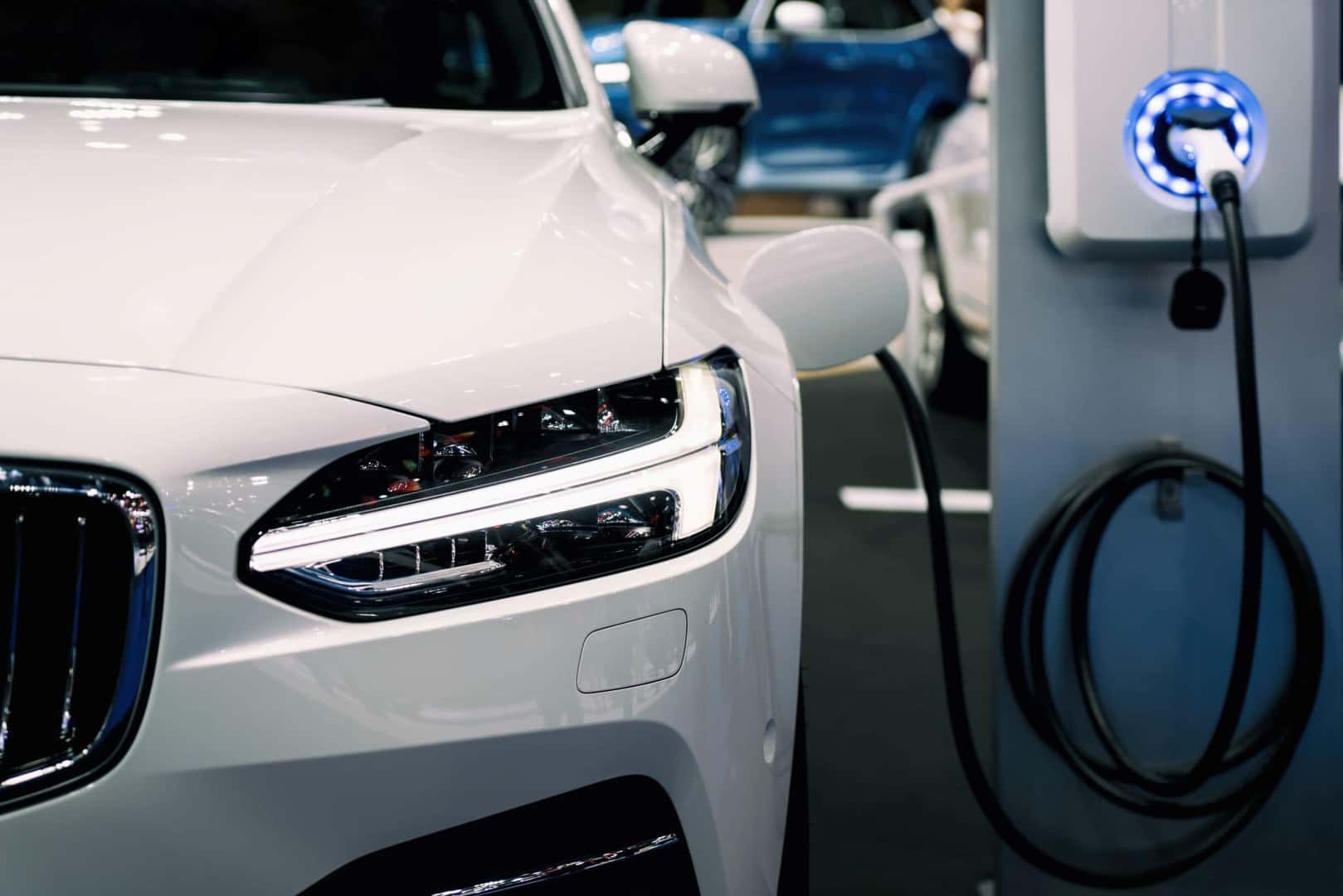
- Plug-in Hybrids (PHEVs): Plug-in hybrids are similar to parallel hybrids but have a larger battery capacity to charge by plugging the car into an external power source. This allows for a longer electric-only range before the gasoline engine is needed.
Benefits of Hybrid Cars
There are several key benefits to owning a hybrid car, including:
- Lower fuel consumption: Because hybrid cars use both an internal combustion engine and an electric motor, they can achieve better fuel efficiency than traditional gasoline-powered vehicles. This can result in significant savings on fuel costs over time.
- Reduced emissions: Hybrid cars produce fewer emissions than traditional gasoline-powered vehicles, as they rely more heavily on electric power, which produces no tailpipe emissions.
- Potential tax incentives: In some countries, owning a hybrid car may qualify you for tax incentives or rebates, further reducing the cost of ownership.
- Improved performance: Some hybrid cars, especially those with larger electric motors, can provide better acceleration and overall performance than their gasoline-powered counterparts.
- Regenerative braking: Hybrid cars often feature regenerative braking, which captures the energy generated during braking and converts it back into electricity to charge the battery. This can further improve fuel efficiency and extend the life of the braking system.
Drawbacks of Hybrid Cars
Despite their many benefits, there are also some drawbacks to consider when purchasing a hybrid car:
- Higher upfront cost: Hybrid cars typically have a higher purchase price than their gasoline-powered counterparts, mainly due to the additional cost of the electric motor and battery systems. However, fuel savings and potential tax incentives often offset this initial cost.
- Limited electric-only range: While plug-in hybrids offer an extended electric-only range, most non-plug-in hybrids have a limited electric range, meaning they still rely on gasoline for longer trips.
- Battery replacement: Over time, the battery in a hybrid car may lose its capacity and require replacement, which can be expensive. However, advancements in battery technology have led to longer-lasting batteries, and many manufacturers offer extended warranties on their hybrid batteries.
- Potential maintenance complexities: Hybrid cars generally require less maintenance than traditional gasoline-powered cars, but their dual-power systems can lead to more complex repairs and maintenance when issues arise. Finding a mechanic familiar with hybrid vehicles is essential to ensure proper care.
- Reduced cargo space: In some hybrid cars, a battery pack can reduce available cargo space, especially in smaller models. This may be fine for some drivers, but it’s something to consider when comparing different vehicles.
The Future of Hybrid Cars
As technology advances and environmental concerns and sustainability grow, hybrid cars will likely become more popular and widely available.
Automakers are increasingly offering hybrid versions of their existing models and developing new models specifically designed as hybrids. This increased variety means consumers will have more options for finding a hybrid car that suits their needs and preferences.
Additionally, advancements in battery technology and electric motor efficiency will continue to improve the performance and range of hybrid cars, making them an even more attractive option for those looking to reduce their carbon footprint and save money on fuel.
Conclusion
When making an informed decision about purchasing a hybrid car, understanding the different types, benefits, and drawbacks is crucial.
Hybrid cars offer an attractive combination of fuel efficiency, reduced emissions, and potential tax incentives, making them a popular choice for those concerned about the environment and looking to save on fuel costs.
If you want to ride this new wave of technological progress, check out the incredible lineup of hybrid cars at Auffenberg of Carbondale! Plus, you can contact our team of experts if you have any questions.

0 comment(s) so far on What You Need to Know About Hybrid Cars